Rice Belongs on Your Plate — What Asian Meals Get Right
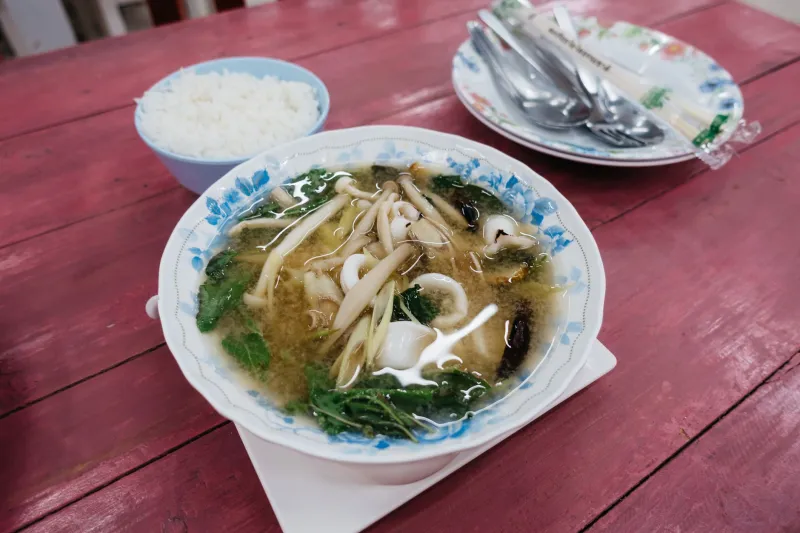
White rice has been cast as a diet villain, but Asian eating patterns rarely put it on the plate alone. Here's why context, portion, and pairing matter more than the grain itself.
Nourish Your Body, Honor Your Roots
White rice has been cast as a diet villain, but Asian eating patterns rarely put it on the plate alone. Here's why context, portion, and pairing matter more than the grain itself.
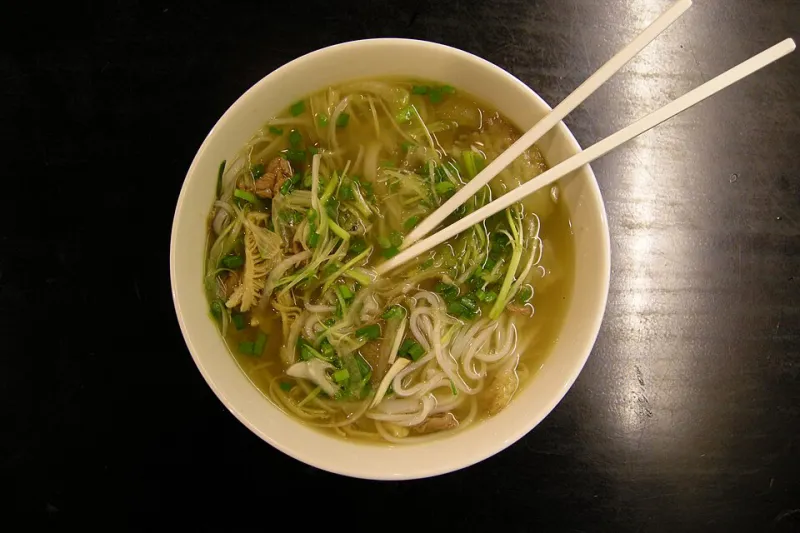
The MSG scare was built on a misleading 1968 letter, not a body of evidence. Here's what the research actually says — and how a pinch of MSG can make vegetables and broths taste fuller with less salt.
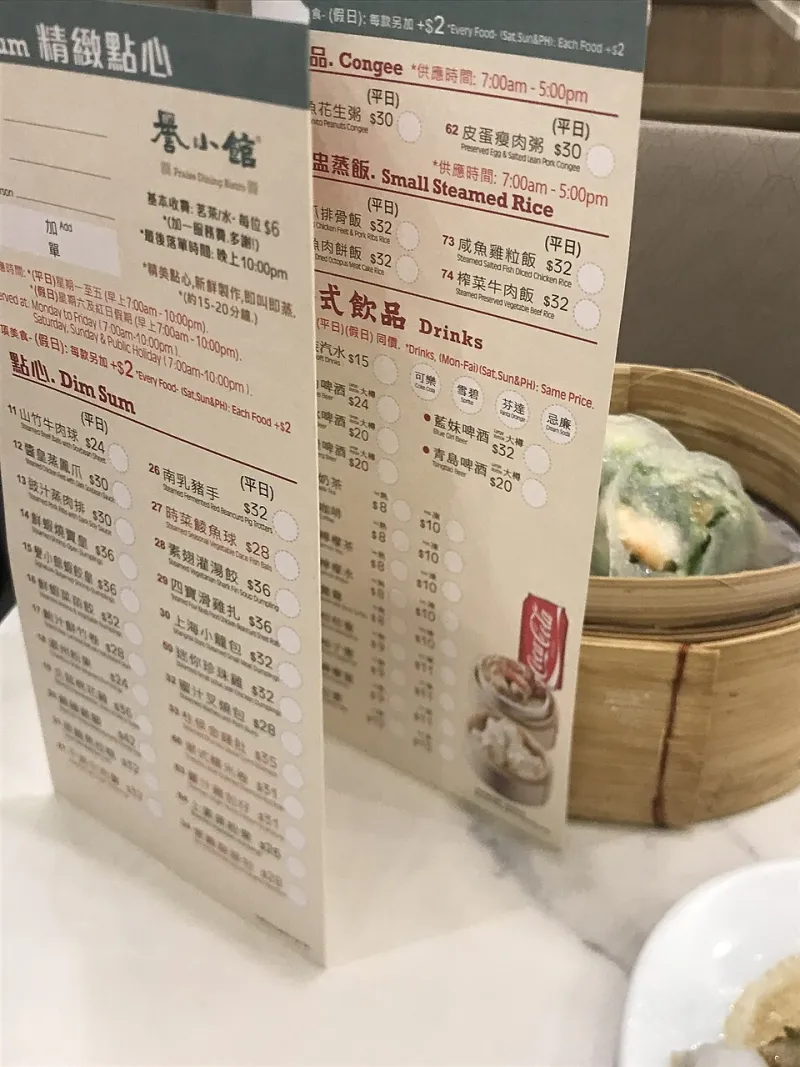
Dim sum is a social ritual, not a fried-food endurance test. Here's how to build a table around steamed dumplings, vegetables, and tea so you can enjoy the meal without needing a nap by 3 p.m.
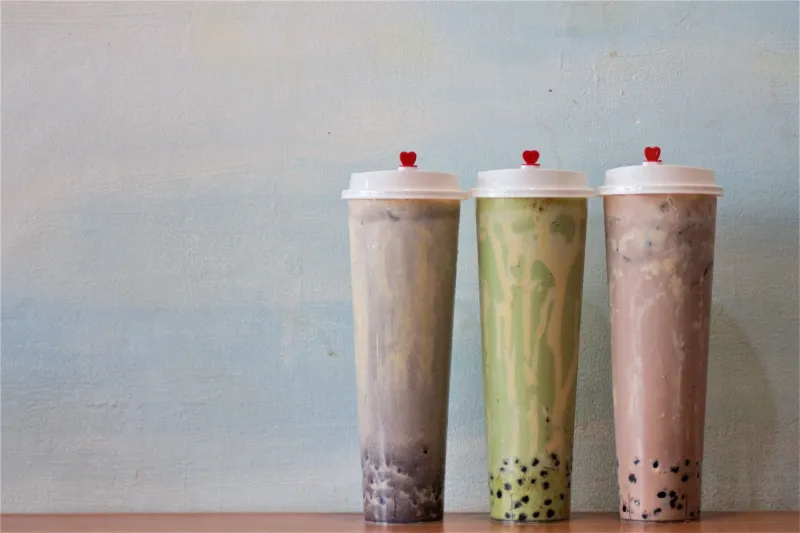
A large bubble tea with tapioca pearls can pack more sugar than a can of soda — sometimes 50 grams or more. We break down what's actually in your cup and how to keep the ritual without the glucose rollercoaster.
Americanized 'light' versions of Asian dishes often strip out the fermented, brothy, vegetable-forward elements that made the originals nourishing in the first place. Here's how to read a menu like your grandmother would.
Takeout doesn't have to be the default when the clock hits 6 p.m. These seven quick Asian-inspired meals deliver balanced macros, hidden veggies, and serious flavor — all in half an hour or less.
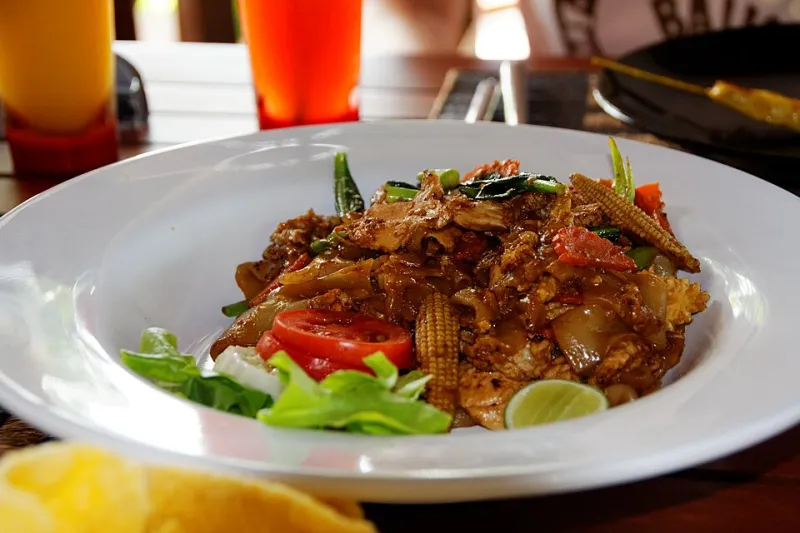
Before gym memberships and step counters, Asian grandmothers were getting their daily movement in one mortar-and-pestle grind at a time. Traditional cooking methods like hand-pounding curry pastes, wok tossing, and stone-grinding spices weren't just culinary choices — they were built-in physical activity that modern shortcuts have quietly erased. Here's why bringing these techniques back into your kitchen might be the most delicious fitness decision you make all year.
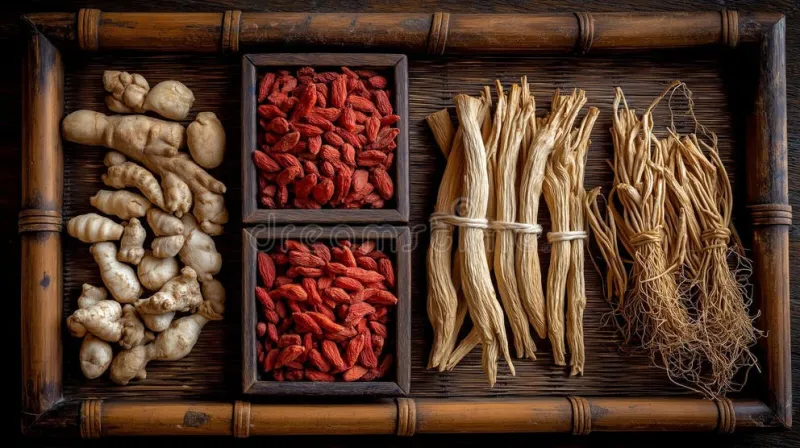
That quiet corner of your local Asian grocery store—the one stacked with dried roots, berry bags, and mushroom powders—might be the most underrated wellness aisle in America. Ginseng, goji berries, reishi, and cordyceps have been staples of traditional Asian medicine for centuries, and Western science is finally catching up. Here's what the research actually says, and how to start using these ingredients without overhauling your entire routine.
Asian grandmothers have never owned a food scale or downloaded a calorie-tracking app — yet generations of families raised on their cooking tend to be healthier for it. Modern nutrition science is finally catching up to what these women have practiced intuitively for decades. Here's what their approach can teach calorie-obsessed Americans right now.
Communities in Okinawa and rural China have quietly cracked the code on living longer, healthier lives — and their secret weapon is what's on their plates. The good news? You don't need a specialty import shop or a plane ticket to eat like they do. Here's how to bring the world's most time-tested longevity diet into your everyday American kitchen.
Long before ibuprofen existed, Asian kitchens were stocked with ingredients that quietly kept inflammation in check. Western researchers are now catching up to what traditional healers knew for centuries — and the findings are hard to ignore.
Bok choy, gai lan, shiso, and Thai basil are some of the most nutrient-dense vegetables in Asian cuisine — and they're surprisingly easy to grow at home. Whether you've got a sunny windowsill or a small backyard patch, cultivating these plants yourself means fresher produce, zero pesticides, and serious savings at the checkout. Here's how to get started.
Long before probiotics became a billion-dollar supplement industry, Asian kitchens were quietly perfecting the art of fermentation. Kimchi, miso, and tempeh aren't just flavor powerhouses — they're backed by modern microbiome science in ways that most store-bought probiotic pills simply can't match. Here's what your digestive system has been missing.
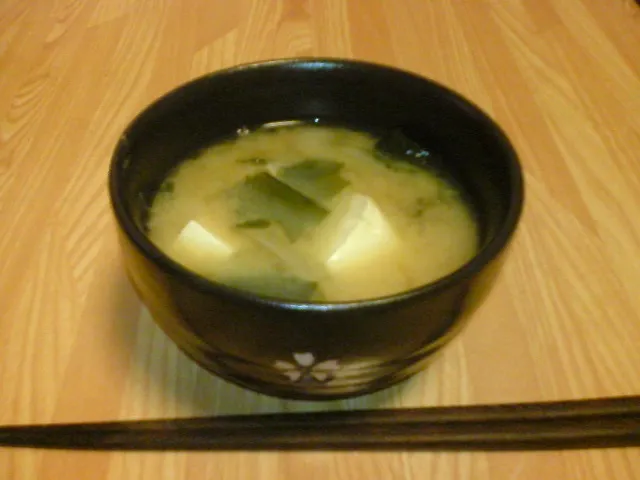
That deep, savory richness in miso soup or a bowl of ramen isn't just delicious — it's actually working with your brain chemistry to keep hunger at bay. Science is finally catching up to what Asian culinary traditions have known for centuries: umami is a powerful tool for feeling full, satisfied, and genuinely nourished.
That turmeric supplement sitting in your medicine cabinet might not be doing what you think it is. Turns out, your ancestors figured out the optimal delivery system centuries ago — and it involves a bowl of fragrant curry, not a pill bottle. Here's the science behind why traditional Asian cooking unlocks turmeric's real power.