That Boba Order Is a Dessert. Here's How to Drink It Like It Isn't.
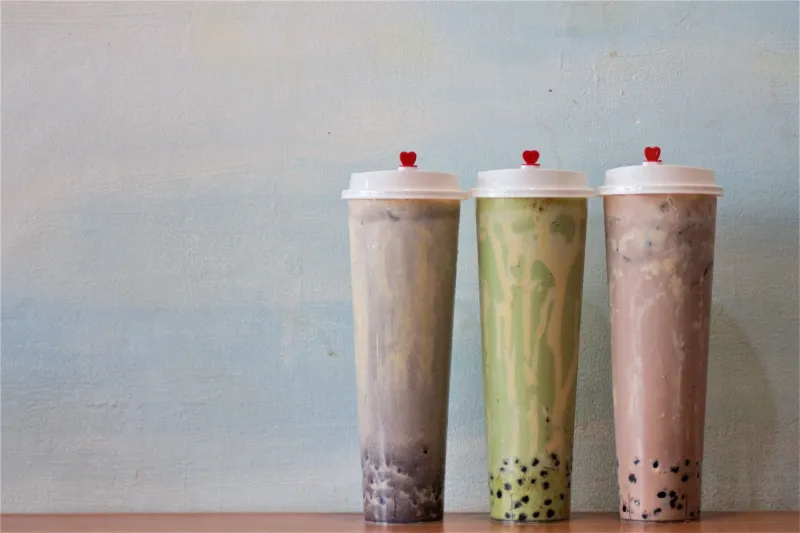
Bubble tea has officially gone mainstream in the US. What started in Taiwanese night markets in the 1980s is now a billion-dollar American industry, with shops in strip malls from Sacramento to Scranton. And honestly? We love it. The chewy pearls, the creamy tea, the little ritual of it — there's real joy in a boba run.
But there's also a lot of sugar in that cup, and most people ordering a "milk tea, 50% sweet" have no idea what that actually means. So let's look at the numbers.
What's Actually in a Typical Order
Nutrition analyses of popular US bubble tea chains tell a consistent story:
- A 16 oz classic milk tea with tapioca pearls typically lands between 35 and 50 grams of sugar — roughly 9 to 12 teaspoons. A 24 oz order can top 60 grams.
- Tapioca pearls alone contribute 5 to 14 grams of sugar per serving, since they're usually simmered in sweet syrup.
- Fruit "teas" often contain little actual fruit. Many rely on flavored syrups and fruit concentrates, pushing sugar counts even higher than milk-based drinks.
- Brown sugar boba drinks — the trend that launched a thousand Instagram posts — are essentially dessert, with sugary syrup drizzled inside the cup before the sweetened milk even goes in.
For context, the American Heart Association suggests capping added sugar at 36 grams per day for men and 25 grams for women. One large boba can blow through that before lunch.
The Glucose Spike Problem
Here's the physiology, briefly. Tapioca pearls are nearly pure refined starch — cassava starch, mostly — which your body converts to glucose fast. Pair that with syrup-sweetened tea and you get a classic blood sugar spike: quick energy, then the crash that leaves you foggy and craving more sugar an hour later.
Repeated large spikes over time are associated with insulin resistance and the energy dips most of us blame on "needing coffee." None of this means bubble tea is poison. It means it's worth treating like what it is: an occasional sweet treat, not a hydration strategy.
The Smarter-Ordering Playbook
You don't have to give up boba. You just have to order with a little strategy.
Dial sweetness down — way down. Most shops offer 0%, 25%, 50%, 75%, and 100% sweetness. At 25%, most drinks still taste pleasantly sweet because your baseline is calibrated to syrup. Try 25% once; your palate adapts faster than you'd expect.
Rethink the milk. Many shops use non-dairy creamers that add sugar and, in some cases, hydrogenated oils. Asking for oat milk, whole milk, or unsweetened almond milk often cuts both sugar and the weird aftertaste.
Pick toppings like you mean it. Tapioca pearls are the sugar-heavy default, but alternatives exist: aloe vera, chia seeds, grass jelly, and pudding all add texture with a fraction of the sugar. Grass jelly in particular is nearly calorie-free and has a long history in Chinese dessert culture.
Go smaller. A 16 oz with half sugar and light pearls is a genuinely different drink than a 24 oz fully loaded. Size is the single biggest lever you control.
Watch the "fruit" drinks. If you want fruit flavor, look for shops that use real fruit — fresh mango, blended strawberries, actual lime. Ask. Good shops will tell you.
Time it right. If you're going to have a sugary drink, having it after a meal rather than on an empty stomach blunts the glucose spike considerably. A boba after lunch lands softer than a boba as breakfast.
The Ritual Is the Point — Not the Syrup
There's something worth protecting in bubble tea culture: meeting a friend, treating yourself after a long week, introducing someone to a drink from your childhood. Those rituals don't require 60 grams of sugar to work. Order a 25% sweetness oolong milk tea with grass jelly, and you get the same cup, the same straw, the same moment — minus the crash on the drive home.