Rice Belongs on Your Plate — What Asian Meals Get Right

Photo by Photo by ooneiroslyl on Unsplash on Unsplash
White rice has been cast as the villain in a lot of American diet talk. It is called empty, refined, and blood-sugar-spiking. Sometimes it is treated as if a bowl of rice is the reason people feel tired after lunch. But that story misses the way rice actually shows up in many Asian meals. It is rarely eaten alone, rarely the only thing on the plate, and rarely the whole point.
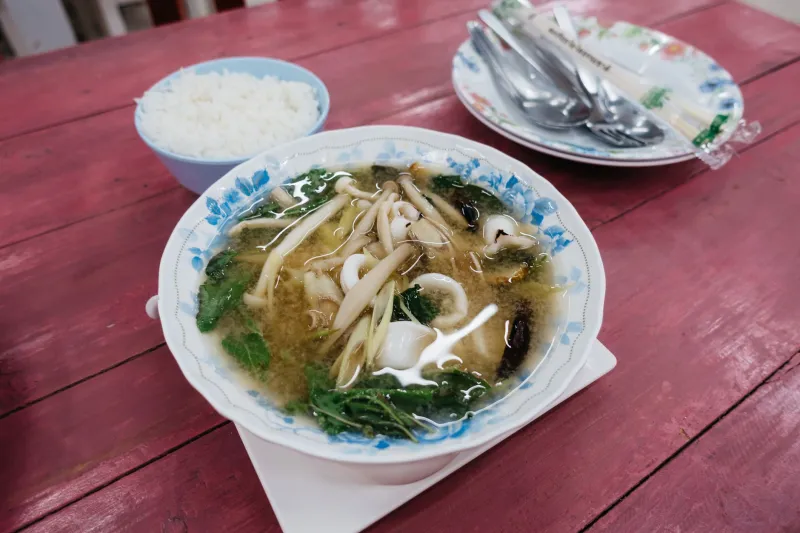
In traditional Asian eating patterns, rice is the calm center of a meal built around vegetables, protein, and fermented flavors. That context matters. A bowl of plain white rice eaten by itself is not the same as rice served with greens, tofu, fish, eggs, pickles, and soup. The plate changes the experience.
How white rice got a bad rap
American diet culture loves a single villain. Fat was one. Carbs were another. White rice became an easy target because it is refined, widely eaten, and often served in large portions. It also has a higher glycemic index than brown rice, which means it can raise blood sugar faster when eaten alone.
But glycemic index is not a complete measure of a meal. It does not account for what else is on the plate, how much you eat, or how the food was prepared. A mixed meal with rice, protein, fat, and fiber behaves differently than a plain bowl of rice. That is not a loophole. It is basic meal context.
The plate matters more than the grain
In many Asian meals, rice is the base, not the entire entree. You might have a small bowl of rice with stir-fried greens, steamed fish, tofu, a little pickled vegetable, and soup. The vegetables add fiber. The protein adds staying power. The fermented foods add flavor and, in some cases, beneficial bacteria. The rice provides energy and makes the meal feel complete.
That is a very different plate from a giant portion of rice with a sugary sauce and a few pieces of meat. The problem is not rice existing. The problem is what else is missing.
The resistant starch twist
The rice conversation gets more interesting when you talk about cooling. When cooked rice is cooled, some of its starch can change into resistant starch, which is less digestible and behaves more like fiber. Reheating does not completely undo that change. This is one reason leftover rice can be a little different nutritionally from freshly cooked rice.
Resistant starch is not a magic bullet. It does not cancel out the carbohydrate in rice or make blood sugar irrelevant. But it is a real reason not to treat leftover rice as somehow worse than fresh rice. In practice, cooling and reheating rice is a normal part of many Asian kitchens, and it fits comfortably into a balanced meal.
Portion context, not fear
A reasonable portion of cooked rice is often around half a cup to one cup, depending on your appetite, activity level, and what else is on the plate. That is a far cry from the giant mound some American restaurants serve. If you are worried about blood sugar, start with a smaller bowl and fill the rest of the plate with vegetables and protein.
Some people find that eating vegetables and protein first, then rice, helps them feel more satisfied. Others prefer to mix everything together. There is no single right way. The point is to pay attention to the whole meal rather than treating rice as a food to fear.
Practical ways to keep rice in rotation
Pair rice with fiber. Add greens, mushrooms, cabbage, carrots, or edamame. The more plant volume you have, the more balanced the bowl feels.
Add protein. Eggs, tofu, fish, chicken, or beans all help turn rice into a meal instead of a side.
Use fermented flavors. Kimchi, pickles, miso, or a little fermented chili paste can add complexity without relying on heavy sauces.
Cook and cool. Make extra rice, refrigerate it, and reheat it later. Use it for fried rice with plenty of vegetables, or serve it alongside soup and greens.
Watch the sauce, not just the rice. Sugary glazes and salty sauces can matter more than the grain itself.
The bottom line
White rice is not the enemy. It is a food with a long history, a place on the table, and a lot of cultural meaning. The Asian eating patterns that have kept rice on the plate for generations are not built on fear. They are built on balance, portion, and variety. Keep the rice. Just make sure the rest of the meal is doing its job too.