Your Gut Has Been Missing These Ancient Asian Ferments All Along
Walk down the supplement aisle of any American health food store and you'll find shelf after shelf of probiotic capsules, each one promising a happier gut. Billions of CFUs. Dozens of strains. Fancy refrigerated packaging. And yet, across much of Asia, people have been nurturing their digestive health for centuries — not with supplements, but with food.
Kimchi bubbling in earthenware pots. Miso aged in cedar barrels. Tempeh wrapped in banana leaves and left to transform overnight. These aren't just culinary traditions — they're sophisticated, time-tested fermentation systems that modern microbiome researchers are only beginning to fully appreciate.
So why are so many of us still reaching for a capsule when the real thing has been sitting in Asian grocery stores all along?
What Fermentation Actually Does to Food (And to You)
Fermentation is, at its core, a microbial transformation. Beneficial bacteria, yeasts, and molds break down the sugars and proteins in raw ingredients, producing acids, enzymes, and — crucially — live microorganisms that can take up residence in your digestive tract.
The result isn't just preserved food. It's food that has been fundamentally changed at a molecular level. Nutrients become more bioavailable. Anti-nutrients like phytic acid get broken down. And the finished product arrives in your gut carrying an army of beneficial microbes ready to reinforce your existing microbiome.
According to research published in the journal Cell, a diet high in fermented foods increases microbiome diversity and reduces markers of inflammation — two outcomes that are strongly linked to long-term digestive and immune health. The study compared fermented food diets to high-fiber diets and found that fermented foods had a notably faster and more consistent effect on gut diversity.
In other words, your gut responds quickly and positively to the kind of foods that have anchored Asian diets for generations.
Kimchi: More Than Korea's Most Famous Export
If you've tried kimchi, you know it brings serious heat and tang to whatever it touches. But beyond its bold personality, kimchi is a microbial masterpiece. The traditional fermentation process — which involves salting vegetables like napa cabbage and daikon, then packing them with a spiced paste and leaving them to ferment — produces a rich ecosystem of Lactobacillus bacteria, the same genus found in many commercial probiotics.
What sets kimchi apart from a probiotic pill, though, is context. The bacteria in kimchi arrive alongside fiber, vitamins C and K, and bioactive compounds from garlic, ginger, and chili. That fiber acts as a prebiotic — essentially food for the good bacteria — which means kimchi delivers both the microbes and the fuel they need to survive and thrive in your gut.
For Americans new to kimchi, the easiest entry point is using it as a condiment. Spoon it onto scrambled eggs, tuck it into a breakfast burrito, or pile it on top of a grain bowl. The flavor is assertive but incredibly versatile once you get comfortable with it.
Miso: The Quiet Achiever of the Fermentation World
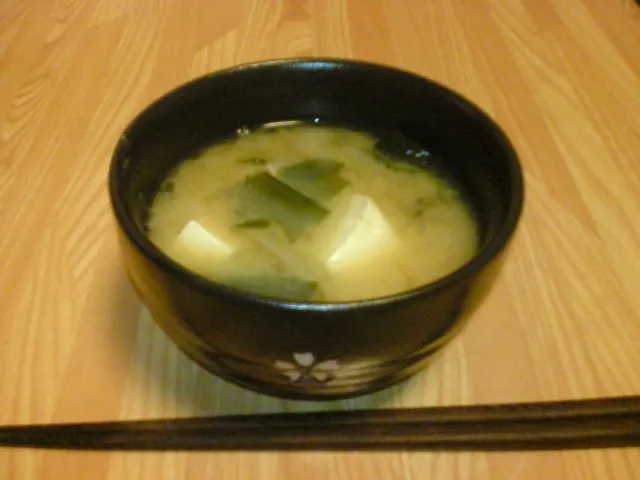
Miso might be the most underestimated fermented food in the American pantry. Most people know it as the base for that warm, salty soup at Japanese restaurants — but miso is a fermented paste made from soybeans (and sometimes grains like rice or barley) that has been aged anywhere from a few weeks to several years.
The fermentation agent here is Aspergillus oryzae, a mold known as koji in Japanese culinary tradition. Koji breaks down proteins and starches in the soybeans, creating a deeply savory, complex paste that's rich in beneficial enzymes and microbial metabolites.
One important note: to get the probiotic benefits of miso, you need to avoid boiling it. High heat kills the live cultures. Instead, dissolve miso into warm (not scalding) broth, or use it as a base for salad dressings, marinades, and glazes. A miso-tahini dressing on a kale salad, for instance, is an easy way to work it into a typical American lunch.
Beyond gut health, miso contains isoflavones and antioxidants that have been linked to reduced inflammation and improved cardiovascular markers — benefits that stack up nicely alongside its digestive perks.
Tempeh: The Fermented Food That Also Happens to Be a Complete Protein
Tempeh often gets lumped in with tofu in the minds of American consumers, but the two are quite different. Tofu is made by coagulating soy milk — a relatively straightforward process. Tempeh, which originates from Indonesia, is made by fermenting whole cooked soybeans with a mold called Rhizopus oligosporus until they bind together into a firm, nutty cake.
That fermentation process does something remarkable: it dramatically improves the digestibility of the soybeans and increases the bioavailability of nutrients like iron and zinc. For people who struggle to digest beans or legumes, tempeh is often much easier on the stomach than its unfermented counterparts.
Tempeh is also a complete protein, meaning it contains all nine essential amino acids — a significant plus for plant-based eaters. And because it's fermented, it carries beneficial microbes and bioactive compounds that support gut lining integrity.
In American kitchens, tempeh works beautifully crumbled into pasta sauces, sliced and pan-fried with soy sauce and sesame oil, or marinated and grilled as a satisfying centerpiece for a plant-forward meal.
Why Whole-Food Ferments Beat the Supplement Approach
Probiotic supplements aren't without merit — they can be genuinely useful in specific clinical situations, like restoring gut flora after antibiotic use. But as an everyday strategy for digestive wellness, they have real limitations.
Most capsules contain a narrow range of bacterial strains, often in isolation from the food matrix that helps them survive the journey through your stomach acid. Many don't make it to the large intestine in meaningful numbers. And they arrive without the fiber, polyphenols, and enzymes that help those bacteria establish themselves and do their jobs.
Fermented whole foods, by contrast, deliver a complex ecosystem — not just bacteria, but the nutritional scaffolding that supports microbial life. It's the difference between dropping a handful of seeds on bare concrete versus planting them in rich, prepared soil.
Making the Shift: Practical Steps for Your Week
You don't need to overhaul your entire diet to start benefiting from traditional Asian ferments. Small, consistent additions are the most sustainable approach.
- Start with miso soup a few times a week — it takes about five minutes to make and is genuinely comforting, especially in colder months.
- Keep kimchi in your fridge and treat it like a condiment. A tablespoon or two with dinner is enough to start shifting your microbiome over time.
- Swap tofu for tempeh in your usual stir-fries or grain bowls at least once a week to take advantage of its superior digestibility and protein profile.
- Shop your local Asian grocery store — you'll often find a wider and more authentic selection of fermented products than at mainstream supermarkets, frequently at lower prices.
The gut health revolution doesn't have to start with a new supplement. Sometimes it starts with a jar of kimchi, a block of tempeh, and an appreciation for the fact that Asian culinary traditions have been quietly solving this problem for a very long time.