Cooking Was the Original Workout: How Traditional Asian Kitchen Techniques Secretly Kept Generations Fit
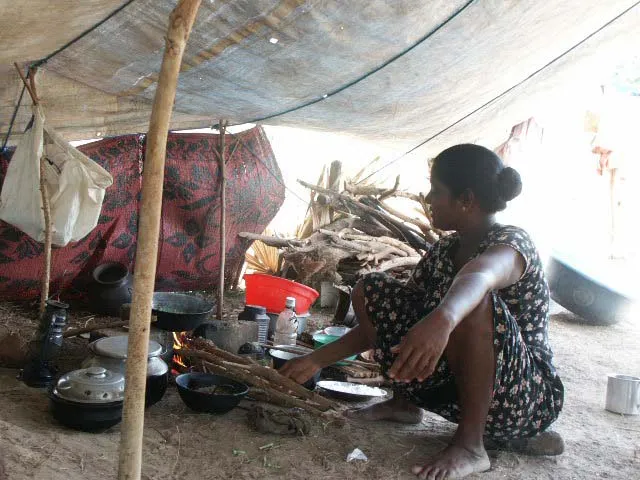
Photo: trokilinochchi, CC BY 2.0, via Wikimedia Commons
Think about the last time you made dinner. Maybe you tore open a spice packet, hit a button on the food processor, and called it a night. Efficient? Absolutely. A workout? Not even close.
Now picture your grandmother — or her grandmother — squatting over a heavy granite mortar, driving a pestle through lemongrass, galangal, and dried chilies for a solid twenty minutes to build a Thai curry paste from scratch. Or a home cook in rural Japan hand-kneading soba dough until her arms ached. Or a Chinese grandmother rhythmically tossing a blazing hot wok with one wrist, her whole body engaged in the motion.
Those women weren't going to SoulCycle after dinner. They didn't need to.
The Hidden Calorie Burn in Your Cutting Board
Modern nutrition science tends to focus on what we eat, but there's a growing conversation about an overlooked variable: how much energy we spend preparing what we eat. Researchers call this non-exercise activity thermogenesis, or NEAT — the calories your body burns through everyday movement that isn't structured exercise. Cooking, it turns out, contributes meaningfully to NEAT, and the more labor-intensive your cooking style, the more your body benefits.
A person standing and actively cooking burns roughly 150 to 200 calories per hour compared to sitting on the couch. But that number climbs significantly when the cooking involves repetitive, resistance-based movements. Hand-grinding spices, kneading dough, and vigorous stirring or tossing all recruit muscle groups in the arms, shoulders, core, and even the legs — especially when you're working at a low counter or in a traditional squatting position common across Southeast Asia.
One small but fascinating area of research has looked at traditional food preparation in rural Asian communities and noted that women who prepared meals using labor-intensive methods showed greater grip strength and upper body endurance compared to those relying on modern appliances. The kitchen, in many ways, functioned as a daily functional fitness routine.
Mortar and Pestle: The Original Upper Body Day
Let's talk about the mortar and pestle, because it deserves way more credit than it gets on American kitchen counters (where it mostly sits decoratively next to the olive oil).
In Thai, Indonesian, and Vietnamese cooking traditions, grinding pastes by hand isn't just about flavor — though the flavor is dramatically better than anything that comes out of a blender jar. It's a sustained, resistance-based activity. A proper Thai nam prik or sambal can take 15 to 25 minutes of continuous pounding and grinding. You're working against resistance the entire time, switching arms, engaging your core for stability, and often crouching or bending at the hip.
Compare that to 30 seconds in a food processor. Same paste, roughly. Completely different physical experience.
If you want to bring this into your own kitchen without buying a 15-pound granite mortar (though honestly, they're worth it), start small. Use a mortar and pestle to grind your whole spices for a curry or stir-fry base a few nights a week. It takes longer, yes — but the aromatics you release through hand-grinding are more complex, the texture is more interesting, and your forearms will quietly thank you.
Wok Tossing and the Art of the Moving Meal
The wok is one of the most physically demanding pieces of cookware ever invented, and that's a feature, not a bug.
Authentic wok cooking — the kind you see in Chinese restaurant kitchens, where the chef lifts and tosses the pan in a continuous fluid motion — requires significant wrist, forearm, and shoulder strength. Even home-style wok cooking, which is less theatrical but still involves constant stirring, lifting, and maneuvering over high heat, keeps you moving in a way that a slow cooker or Instant Pot simply doesn't.
The motion of tossing a wok also engages your core. You're stabilizing your midsection with every flip. Over the course of a 20-minute stir-fry session — chopping, prep work included — you're looking at a genuinely active cooking experience.
You don't need a commercial wok burner or a professional setup. A carbon steel wok on a standard gas or electric range works fine for home cooking. Start with lighter loads and practice the toss with a dry pan before you've got hot oil in there. Your technique will improve, and so will your shoulder endurance.
Squatting, Kneading, and the Full-Body Kitchen
Across much of Asia, traditional food prep happened close to the ground. Grinding, pounding, washing vegetables, and preparing ingredients often took place at low surfaces or directly on the floor, requiring deep squats and sustained hip flexion — movements that Western bodies have largely lost through chair-centric living.
While most of us aren't about to prep dinner on the floor of our apartments, there's something worth borrowing from this approach. Intentionally lowering your work surface — or simply spending more time in a deep squat while you're waiting for something to simmer — can meaningfully improve hip mobility and lower body strength over time.
Kneading is another underrated calorie burner. Japanese udon noodles, Chinese steamed buns, and Korean knife-cut noodles (kalguksu) all start with hand-kneaded dough. Ten minutes of active kneading is a legitimate upper body workout. If you've ever made homemade dumpling dough from scratch, you already know what we're talking about — your hands are tired, your arms are tired, and the dumplings taste incredible.
Making It Work in a Modern American Kitchen
You don't have to overhaul your entire cooking routine to get some of these benefits. Here are a few practical ways to bring more movement back into your meal prep:
Swap the blender for a mortar and pestle two or three times a week. Start with garlic and ginger for a stir-fry. Work up to a full spice paste. You'll notice the difference in both flavor and forearm fatigue.
Cook standing, and cook actively. It sounds obvious, but a lot of people stir occasionally and step away. Stay engaged. Keep moving. Stir continuously, adjust heat, taste and adjust — treat cooking like an active task rather than a passive one.
Try wok cooking once a week. Even a basic vegetable stir-fry in a carbon steel wok gets your body moving in ways a nonstick skillet doesn't.
Hand-knead at least one dough per month. Dumpling wrappers, steamed bun dough, or noodles. Your hands will get stronger, and the food will be noticeably better.
Time yourself. This one's a little nerdy, but try cooking a full meal — from ingredient prep to plating — and notice how long you're actually on your feet and moving. Most people are surprised.
The Bigger Picture
There's something genuinely meaningful about reclaiming the physical dimension of cooking. For generations, the kitchen wasn't separate from wellness — it was wellness. The act of preparing food with your hands, from whole ingredients, using techniques that required effort and skill, was woven into daily life in a way that kept bodies functional and minds engaged.
We've traded a lot of that for convenience, and in many ways that trade has been worth it. But there's room to bring some of it back — not as a chore, but as a practice. A way of honoring the food, the tradition, and your own body all at the same time.
Your grandma wasn't trying to get her steps in. She was just making dinner. And somehow, that was enough.