How Umami Keeps You Satisfied Longer — And Why Your Brain Is a Big Fan
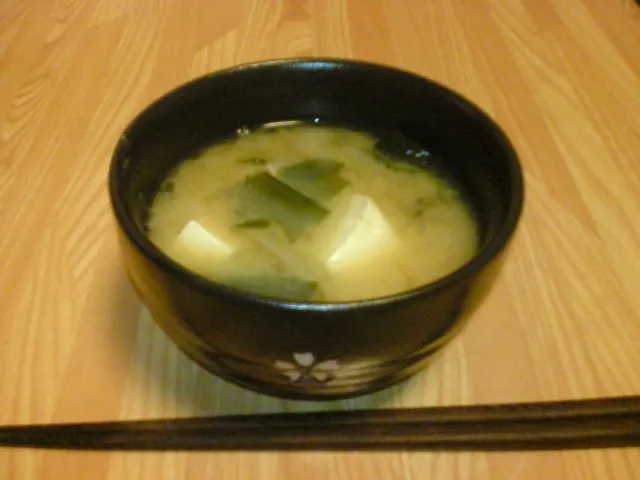
Photo: ish-ka, Public domain, via Wikimedia Commons
You know that feeling after a bowl of miso soup or a plate of stir-fried mushrooms where you just feel... done? Not stuffed, not sluggish — just genuinely satisfied in a way that a bag of chips or a fast-food burger rarely delivers? There's real science behind that, and it all comes back to umami, the fifth taste that traditional Asian cuisines have been quietly mastering for thousands of years.
For American home cooks trying to eat healthier without obsessing over calorie counts, understanding umami might be one of the most practical pieces of nutrition knowledge out there.
So What Exactly Is Umami?
Most of us grew up learning about four basic tastes: sweet, salty, sour, and bitter. Umami — a Japanese word that loosely translates to "pleasant savory taste" — was officially identified as the fifth taste back in 1908 by Japanese chemist Kikunae Ikeda. He noticed that the deep, satisfying flavor of dashi broth couldn't be explained by any of the existing taste categories.
The primary driver of umami is glutamate, an amino acid that occurs naturally in a wide range of foods. When glutamate binds to specific taste receptors on your tongue (called mGluR4 and T1R1/T1R3 receptors, if you want to get nerdy about it), your brain gets a signal that protein is incoming — which is a big deal from an evolutionary standpoint. Protein is essential for muscle repair, immune function, and keeping your metabolism humming. Your brain wants it, and umami is basically the announcement that it's on the way.
The Satiety Connection: Why Umami Makes You Feel Full
Here's where it gets really interesting for anyone thinking about weight management or just eating smarter. Research published in the American Journal of Clinical Nutrition found that umami-rich foods can significantly enhance feelings of satiety — that sense of fullness and satisfaction that tells you to put the fork down.
The mechanism works on a few levels. First, glutamate in the gut stimulates the vagus nerve, which runs from your digestive system straight to your brain. This nerve essentially sends a "we're good here" message, helping regulate appetite. Second, umami appears to increase the secretion of saliva and digestive enzymes, which slows down eating pace naturally and gives your body more time to register that it's getting what it needs.
Compare that to ultra-processed Western snack foods, which are often engineered to hit sweet, salty, and fatty receptors simultaneously — a combination that bypasses natural satiety signals and keeps you reaching for more. Umami works with your biology rather than against it.
The Asian Pantry Advantage
Traditional Asian cooking is essentially a masterclass in layering umami, and the ingredients doing the heavy lifting are ones you can find at most American grocery stores or Asian markets today.
Miso is one of the most glutamate-dense foods on the planet. A fermented paste made from soybeans (and sometimes barley or rice), miso delivers umami alongside beneficial probiotics and a solid hit of B vitamins. A simple miso soup with tofu and wakame seaweed is genuinely one of the most nutritionally efficient things you can eat for breakfast — and it's deeply satisfying in a way that a granola bar simply isn't.
Soy sauce — particularly traditionally brewed varieties like Japanese shoyu or Chinese soy sauce — is another umami powerhouse. The fermentation process breaks down proteins into free glutamates, concentrating that savory depth. A small amount goes a long way, which means you're getting the flavor payoff without loading up on sodium the way you might with heavily salted processed foods.
Dried mushrooms, especially shiitake, contain not just glutamate but also guanylate — another umami compound that actually amplifies the effect of glutamate when they're combined. This synergy is why a broth made from dried shiitake and kombu seaweed tastes far more complex and satisfying than the sum of its parts.
Fish sauce, a staple across Southeast Asian cooking from Thai curries to Vietnamese pho, is intensely umami-forward due to its fermented anchovy base. A few dashes into a dish can transform the entire flavor profile and, crucially, the satiety factor of a meal.
What This Means for the American Dinner Table
You don't have to completely overhaul how you cook to start benefiting from umami's satiety superpowers. A few strategic swaps and additions can make a real difference.
Swap processed condiments for fermented ones. Instead of reaching for ketchup or bottled salad dressing loaded with added sugars, try a drizzle of soy sauce and rice vinegar on roasted vegetables, or stir a spoonful of white miso into your salad dressing base. You'll use less overall because the flavor is so much more complex.
Build your broths. American cooking tends to lean on store-bought stock, which is fine — but adding a strip of dried kombu or a handful of dried shiitakes while it simmers costs almost nothing and dramatically boosts the umami content. Your soups and stews will taste like you spent hours on them.
Embrace the umami finish. A small splash of fish sauce (Red Boat is widely available and excellent) added at the end of cooking a pasta sauce, chili, or braised meat adds a savory depth that's hard to identify but impossible to ignore. Guests will ask what your secret is.
Make miso your morning ally. If you're someone who grazes all morning after a sugary breakfast, try replacing one meal a week with a simple miso soup and see how your hunger patterns shift. The combination of protein, probiotics, and glutamate is genuinely stabilizing.
Honoring the Wisdom in the Recipe
What's worth pausing on here is that this isn't some new nutritional discovery being reverse-engineered into a supplement or a snack bar. Japanese, Korean, Chinese, and Southeast Asian cooks have been building umami into everyday meals for generations — not because they had access to taste receptor research, but because they understood intuitively that certain combinations of ingredients made people feel good and satisfied.
Dashi broth, kimchi, aged doenjang paste, fish sauce-spiked curries — these are living examples of food culture and nutritional wisdom intersecting in the most practical way possible. When we talk about honoring the roots of Asian cuisine, this is part of what that means: recognizing that these traditions carry real, evidence-backed value that goes way beyond novelty or trend.
For health-conscious eaters in the US who are tired of the diet-and-deprivation cycle, umami offers a genuinely different path. One that's rooted in satisfaction, flavor, and foods that have been nourishing people for centuries. That's a pretty compelling alternative to counting macros.
Your next grocery run might just be the most satisfying one you've had in a while.
